

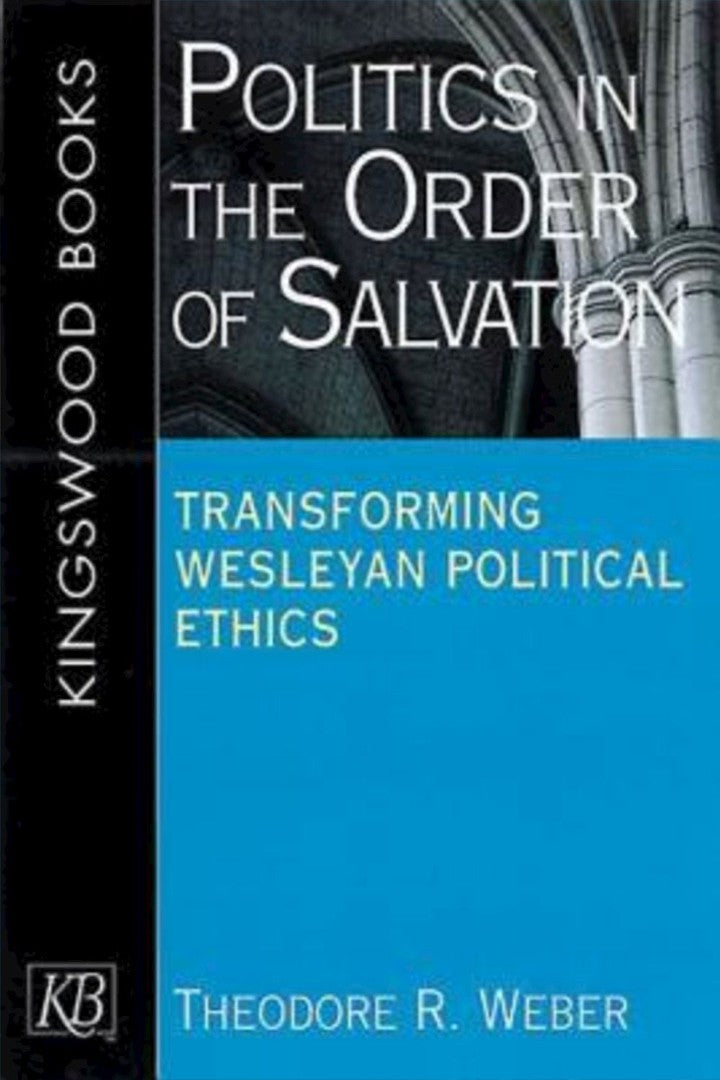
A major study of John Wesley's political ethics and an attempt to reformulate a Wesleyan orientation to political thinking by drawing the political implications of Wesley's "order of salvation". Was John Wesley the "fanatical Tory" conservative of many political portraits, with his loyalty to the British monarchy, his support of taxation without representation, and his severe criticism of American independence? Or was he an emergent political liberal, condemning slavery, defending the rights and liberties of the British people, and urging government intervention in the economy to relieve hunger and poverty? This historical and theological study of Wesley's political thought concludes that he is understood best neither as Tory nor as liberal (both of which he was, in important respects), but as a staunch champion of limited constitutional government and of the subordination of power to law--in the context of the "Glorious Revolution" and the organic unity of the British community. Wesley's understanding of rights is a mixture of the historical and the natural, but is closer to the adaptive conservatism of Edmund Burke than to natural rights individualism in the following of John Locke.